
Financial Abuse
Financial abuse is a form of abuse that involves controlling, restricting, or misusing another person’s money, income, assets, credit, or access to basic financial resources. It is often used as a way to create dependence and make it harder for someone to leave a harmful relationship.
Financial abuse can be subtle or obvious. It may involve taking someone’s money, preventing them from working, controlling all accounts, running up debt in their name, withholding necessities, or using money as a tool for punishment or obedience.
Financial abuse occurs in 99% of abusive relationships and is the number one reason survivors stay in or return to abusive relationships.
-
Taking money or stealing from a partner.
Controlling all bank accounts, cards, or paychecks.
Forcing someone to ask permission for basic purchases.
Preventing someone from working, going to school, or keeping a job.
Sabotaging work by making them late, calling constantly, or interfering with childcare or transportation.
Running up debt in someone else’s name.
Withholding money for food, medicine, shelter, or transportation.
Using money to manipulate, threaten, or coerce someone into compliance.
Hiding assets or keeping financial information secret.
Making unilateral financial decisions without consent.
-
Financial abuse can trap someone in an abusive relationship because they may not have the resources to leave or stay safe afterward. It can also continue after separation, especially if the abusive person still controls debt, housing, child support, or shared financial accounts.
-
A healthy financial relationship is built on trust, respect, and open communication. Both people feel safe talking about money, asking questions, and making decisions together. No one should feel pressured, controlled, ashamed, or afraid when it comes to finances.
In a healthy relationship, both people have a voice in shared financial decisions and can keep some financial independence as well. This may mean discussing budgets, bills, savings, debt, and spending in a way that feels fair and transparent. It also means respecting each other’s boundaries, values, and different experiences with money.
-
While financial abuse can be complicated, there are ways that you can protect yourself.
Ensure you have your own financial assets, whether that is a private bank account or your own personal cash that is hidden from your partner.
Put two-factor authentication on your banking information or credit cards. This can ensure that only you can access your finances. You can also talk to your bank about setting up a notification if someone tries to change passwords or access accounts.
Talk to a trusted friend or family member who can keep money for you
Make copies of any important financial documents and hide them in a safe place, such as a safety deposit box.
Make a list of things you own together (cars, property, furniture) and take photos to help show that they are yours.
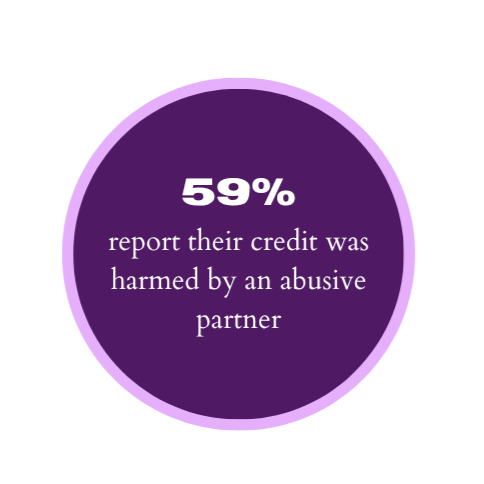
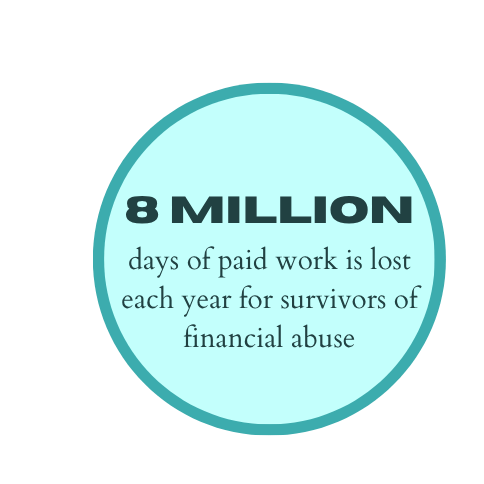
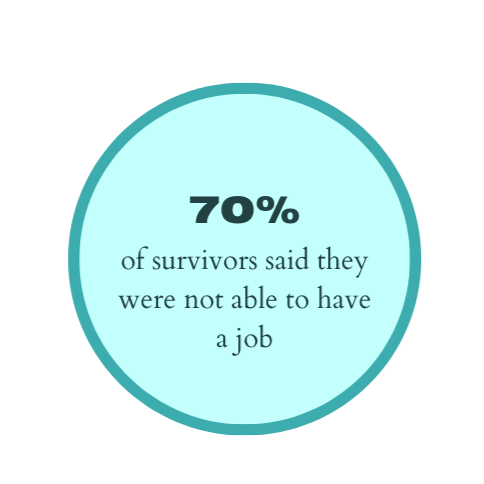
Effects of Financial Abuse on Survivors